2319: Fiesta
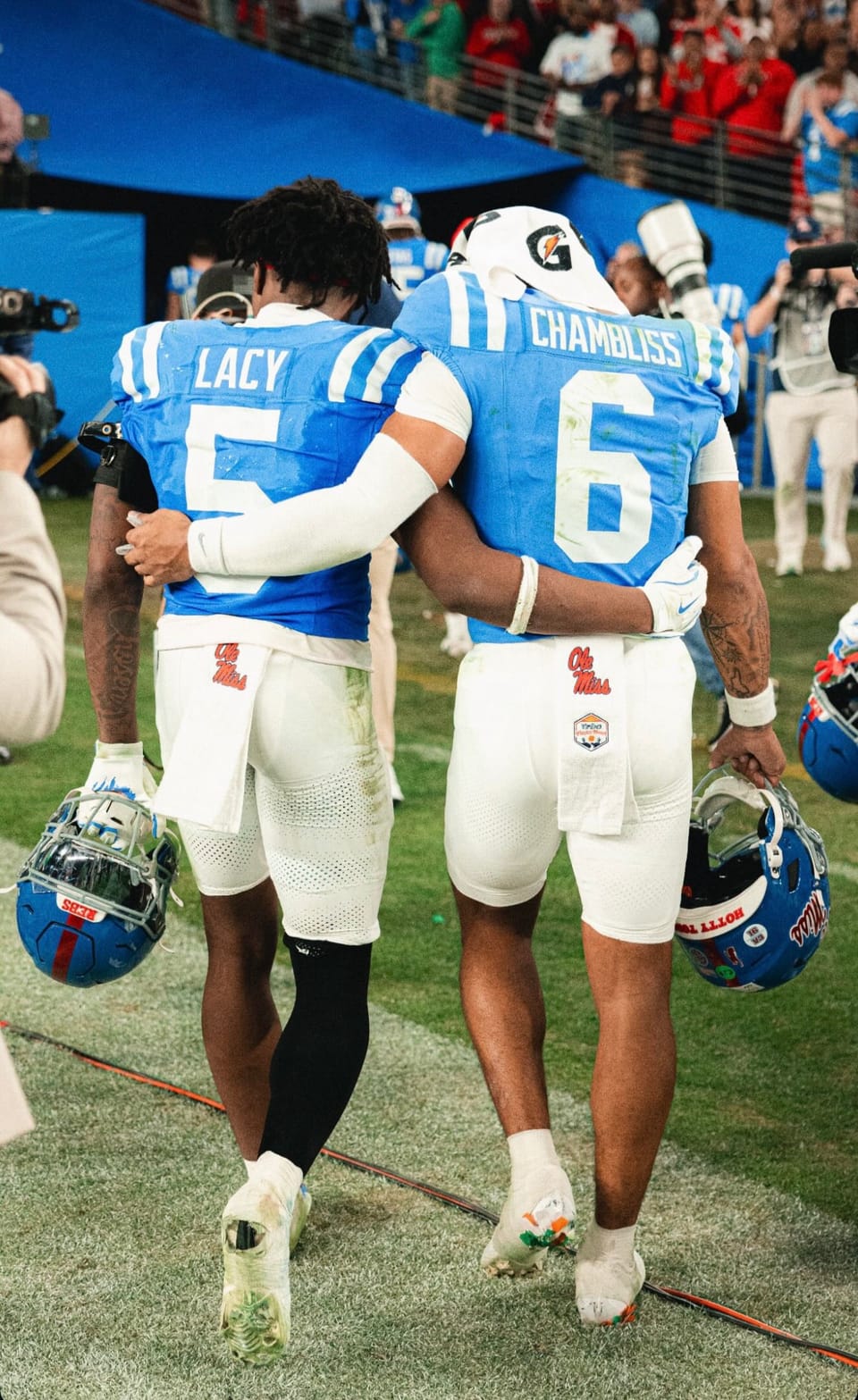
The season ended last night, and somehow I’m… not as mad as I thought I’d be.
Ole Miss’ legendary run came to an end with a 31–27 loss to Miami. And yeah—it hurts. But sitting here writing this, the feeling I expected (pure rage) never fully showed up. What I mostly feel is pride, and something closer to clarity than bitterness.
Because this season didn’t just feel like watching a team. It felt like living inside the highs and lows with them—like we all carried a piece of it.
And the craziest part is that the story wasn’t just about the semifinal.
It was about what happened before the semifinal.
When Lane Kiffin left at the most awkward possible time, it landed like a message nobody wanted to read: “I don’t think this can go all the way.” That’s how it felt, whether that was his intent or not. As fans, we’re supposed to clap politely and pretend we understand “career moves,” but let’s be real—timing tells the truth louder than press conferences.
Now, I see two ways to look at a decision like that, and both come down to what’s driving the pursuit.
1) The “ambition” perspective
Every coach wants the mountaintop. Rings. Legacy. A bigger stage. That part is human. Competing at that level doesn’t come from being satisfied.
2) The “why are you chasing it?” perspective
Ambition isn’t automatically wrong. But ambition without a grounded “why” can quietly turn into greed—into self first, exit early, protect the brand, secure the next deal.
And here’s the leadership line that keeps circling in my head:
A leader who’s really leading doesn’t disappear when the moment gets heavy. A real leader stays when things are uncertain. A real leader has that “blind optimism”—not delusion, but belief. Belief in what they built, belief in the people they asked to sacrifice, belief that “we’re not done yet.”
And whether we like it or not, that’s what Kiffin’s departure tested.
What it did to the team
I can only imagine it crushed them at first.
But then something else happened—the kind of thing you only get through adversity.
They looked around and realized: We still decide our fate.
They didn’t fold. They bonded. They fought. They found a deeper fuel. They stacked wins. They made it all the way here. And even in the final game, down to the last moment, they still had a chance to write a different ending.
That’s what made this season legendary.
Not perfection—resilience.
Adversity has a strange effect on people when they don’t run from it. It creates connection. It forces honesty. It pulls leadership out of places you didn’t know it existed. And for a team, it can turn pain into purpose.
My biggest takeaway
This is bigger than football.
The real lesson is to interrogate your “why.”
If you’re chasing a dream, leveling up, changing schools, switching jobs, taking the next step—ask yourself:
- Am I leaving because it’s truly growth… or because I’m scared to finish what I started?
- Am I moving with purpose… or just moving because something shinier showed up?
- Is this decision rooted in something bigger than me… or is it quietly powered by ego?
Because leaving doesn’t erase the hard parts. It usually just delays them and changes the setting.
And on the flip side—staying doesn’t mean settling. Sometimes staying is the boldest form of leadership there is.
Ole Miss didn’t get the ending we wanted. But they gave us a season that proved something real:
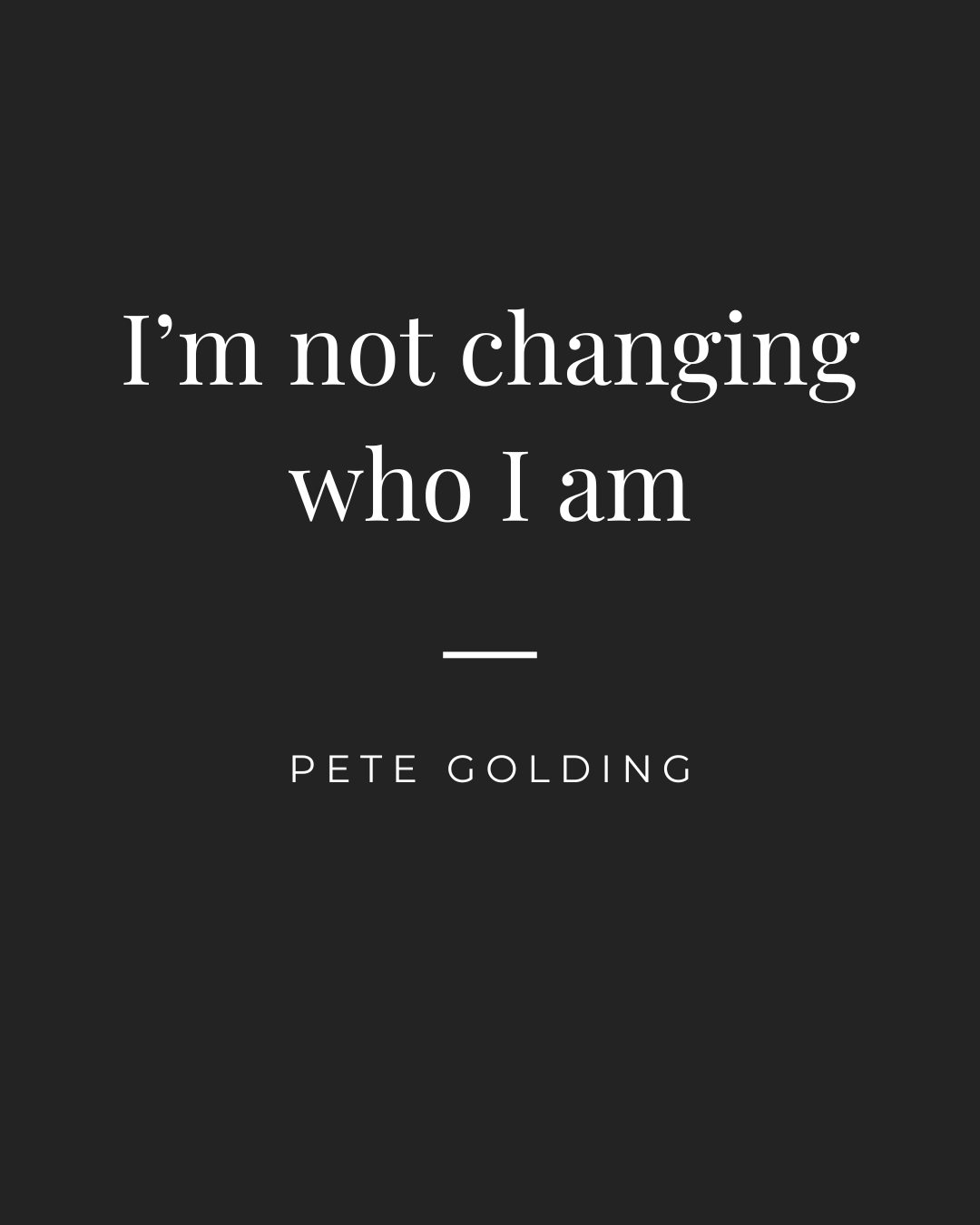
Here’s to the Pete Golding Era.
You can lose the last game and still win the story.
Take the lesson. Thank God for the pressure. Keep building.
Peace,
Zechariah Davis
🎵 Song of the Week
"I Remember" - Keyshia Cole
🗣 Quote of the Week
📖 Scripture of the Week
Looking to spread the word about the latest issue of '2319'? Simply copy this link and share it through text, social media, or email:
zechariahdavis.ghost.io/2319-fiesta/
Member discussion